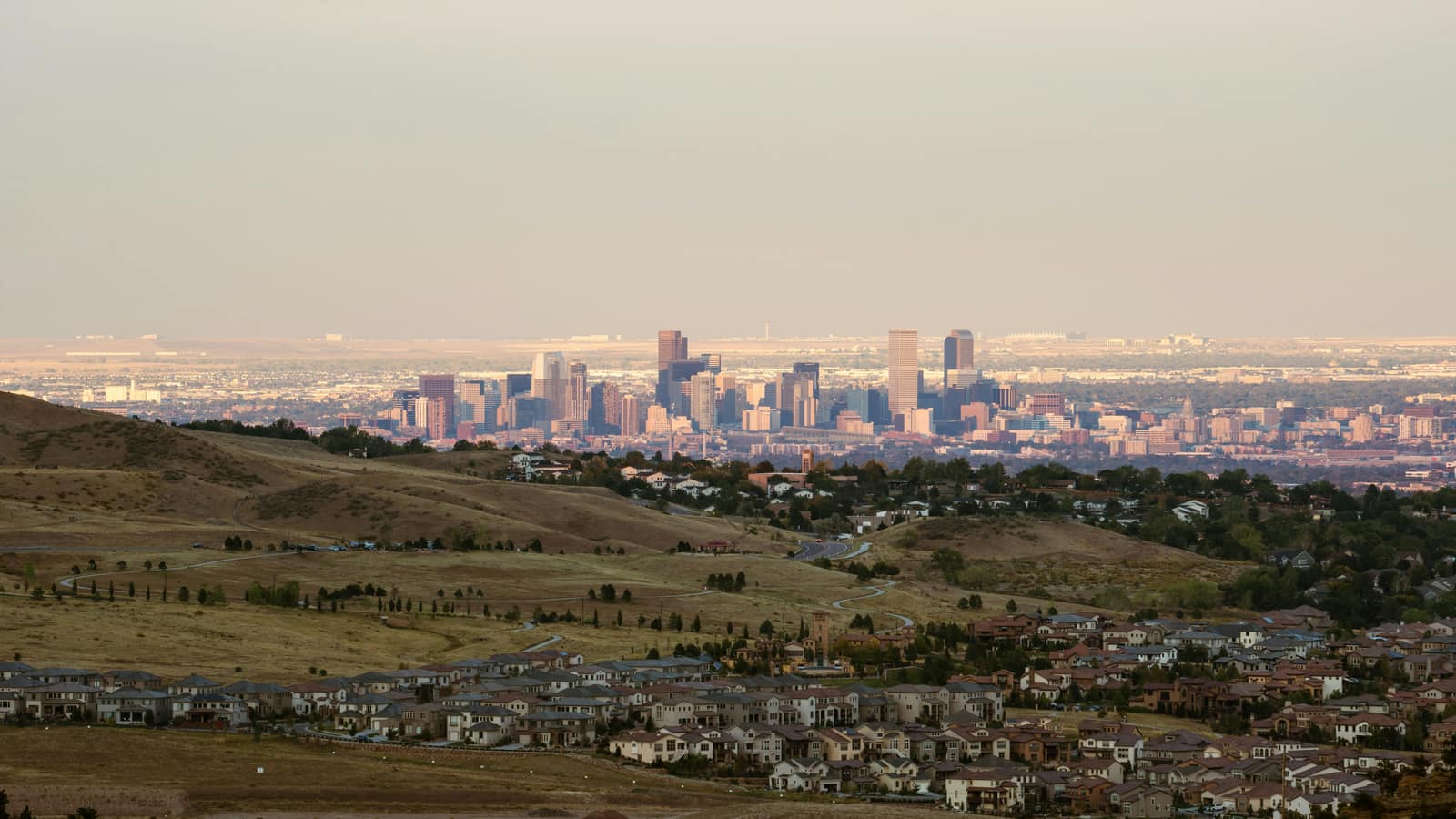
How much money you need to buy a home in Denver or Boulder
Plan for the down payment plus closing costs of roughly 1.5% to 3% of the price, and keep some savings after closing. On a $500,000 home with 5% down, that's $25,000 down and about $7,500 to $15,000 in closing costs.
The down payment
Anywhere from 3% to 20% of the price. Under 20% you’ll pay mortgage insurance; at 3% to 5% the monthly payment is higher but you keep more cash. The 20% down post walks through what changes at each level.
Closing costs
Roughly 1.5% to 3% of the price, due at closing, and about half of that is prepaid insurance, interest, and taxes. The closing costs article goes through each line. What’s in there:
- Lender fees: origination, underwriting, the appraisal.
- Title and closing fees: title insurance, the closing company’s fee, recording.
- Prepaids: property taxes and homeowners insurance paid ahead, plus interest for the days between closing and your first payment.
- HOA transfer and setup fees, if the home has an HOA.
Sellers sometimes cover part of these. Ask in the offer; it costs nothing to ask.
Earnest money and upfront costs
Earnest money goes in when you go under contract. The amount is negotiated and written into the contract. It counts toward your down payment at closing, so it isn’t extra money, but you need it in the bank on day one. The inspection (a national average of $343, most between $296 and $424, per HomeAdvisor) and the appraisal (typically $314 to $423, per Angi) are paid before closing and don’t come back if the deal falls through.
Cash to keep after closing
Lenders want reserves, often two months of payments. Brett wants more than that for you. The first year in a house is when you find out the water heater is fifteen years old. Keep enough that a $4,000 surprise is annoying, not a crisis.
Worked examples
Denver. At the Denver metro median of $575,000 (all homes, September 2026), with 5% down:
- Down payment: about $28,750
- Closing costs: about $8,600 to $17,250
- Reserves: two months of payments, which your lender’s Loan Estimate shows
- Total to have saved: roughly $37,000 to $46,000, plus reserves
Boulder. At the Boulder County single-family median of $865,500 (July 2026), with 5% down:
- Down payment: about $43,000
- Closing costs: about $13,000 to $26,000
- Reserves: two months of payments, which your lender’s Loan Estimate shows
- Total to have saved: roughly $56,000 to $69,000, plus reserves
Inside the city of Boulder, the single-family median was about $1.5 million in July 2026, so 5% down there is about $75,000.
The medians hide a lot. A small bungalow in Highland and a 1970s house in Gunbarrel can both come in well under their city’s median.
Ways to need less cash
- Down payment programs. CHFA and metroDPA can cover part of the down payment. See the programs post.
- Seller concessions. The seller pays some closing costs, usually in exchange for a slightly higher price.
- Lender credits. The lender covers some fees in exchange for a slightly higher rate.
Each of these trades cash today for a higher payment or a second loan later. Brett runs the versions side by side so you can see the tradeoff in dollars.
This is general information, not financial advice. A lender confirms your numbers.
Questions
How much are closing costs in Colorado?
Roughly 1.5% to 3% of the purchase price for a buyer. That covers lender fees, title and closing fees, prepaid property taxes and insurance, and HOA transfer fees if there's an HOA. About half of it is usually the prepaid insurance, interest, and taxes.
Can the seller pay my closing costs?
Sometimes. You can ask for a seller concession as part of your offer. Whether a seller agrees depends on how many other offers they have. Loan programs cap how much a seller can contribute.
How much should I have left in savings after closing?
Lenders often want to see two months of mortgage payments in reserve. Brett's advice is more: enough to cover a furnace, a roof leak, or a slow month at work without touching a credit card.
This article is general information. A lender, attorney, or tax professional can tell you what applies to your situation.