Rent or buy in Denver? The math on one Arvada home
Renting is cheaper month to month. At October 2026 rates, owning a $650,000 three-bedroom home in Arvada costs about $5,500 a month, and renting a similar one costs about $3,000. Over time buying usually comes out ahead: if prices rise 2% a year, a buyer is about $54,000 ahead of a renter after seven years. The renter who wins is the one who invests the full monthly difference, every month, for years.
Figures checked October 21, 2026. Rates, rents, and prices move.
The monthly cost
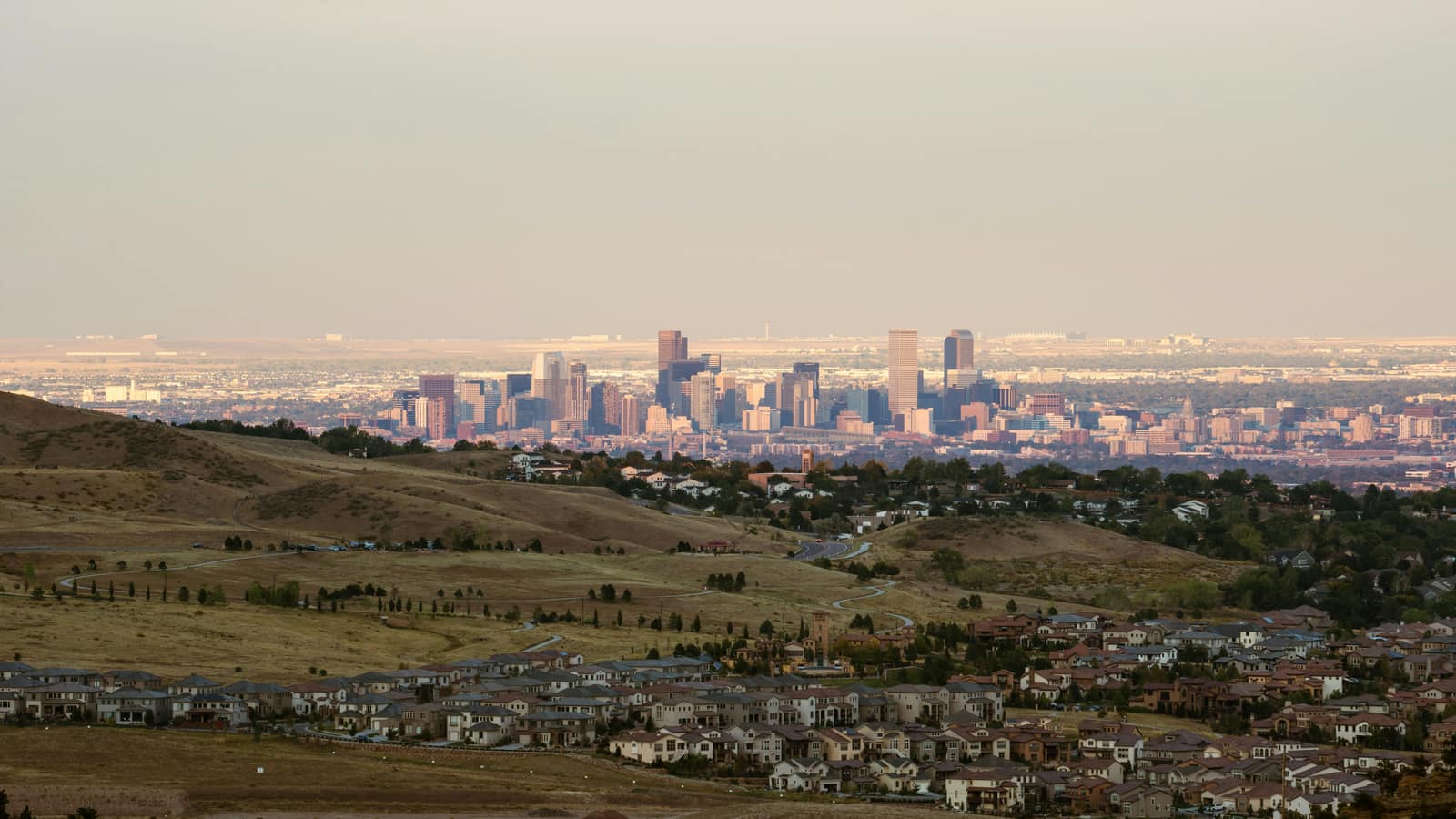
The example is a three-bedroom single-family home in Arvada at $650,000, just under Arvada’s September 2026 median single-family sale price of $668,700. A similar house rents for about $3,000 a month. Three-bedroom houses listed for rent in Arvada since July mostly asked between $2,600 and $3,500.
With 10% down at 7.40%, owning it costs about $5,500 a month.
| Monthly cost of owning | |
|---|---|
| Loan payment ($585,000 at 7.40%, 30 years) | $4,050 |
| Property taxes | $354 |
| Homeowners insurance | $359 |
| Mortgage insurance | $195 |
| Upkeep (1% of the price a year) | $542 |
| Total | $5,500 |
Buying also takes about $84,500 up front: $65,000 down and about $19,500 in closing costs.
Month to month, renting this house is about $2,500 cheaper. What buying gets you shows up over years.
What buying gets you
Most of the payment is fixed. The loan payment, $4,050 of the $5,500, stays the same for 30 years. Taxes and insurance rise over time, for owners and landlords alike, and landlords usually pass those increases on at renewal.
Part of every payment is savings. Each payment lowers what you owe, and you get that back when you sell. On this loan it’s about $5,500 in the first year and grows every year after: about $32,000 paid down after five years and about $48,600 after seven.
Price growth is on the whole house. You put down $65,000, but the whole $650,000 home gains or loses value. If it rises 2% in a year, that’s $13,000. Denver metro prices are up about 12% over the past five years, roughly 2.4% a year, according to FHFA’s home price index, even after a dip of about 1% in the year to mid-2026. Nobody can promise the next five years, and the table below shows flat prices too.
You can refinance if rates fall. At 6%, the loan payment on this home would be about $3,500 instead of $4,050. Refinancing has its own closing costs and you have to qualify again. Buy a payment you can carry at today’s rate.
It’s yours. You can paint, renovate, and stay as long as you like. No landlord can raise the rent or sell the house out from under you.
How it adds up
This compares the buyer, after selling and paying selling costs, with a renter who keeps the $84,500 in savings earning 4% a year. A positive number means buying came out ahead by that much.
| Yearly price growth | After 5 years | After 7 years |
|---|---|---|
| 0% | renting ahead $45,000 | renting ahead $37,000 |
| 2% | buying ahead $18,000 | buying ahead $54,000 |
| 4% | buying ahead $87,000 | buying ahead $156,000 |
At 2% to 4% growth a year, buying pulls ahead within three to four years. If prices stay flat, it takes about 13 years.
One kind of renter does better: the one who also invests the full $2,500 monthly difference at 4%, every month, for years. Against that renter, buying this home at 7.40% doesn’t catch up within ten years. A lower rate closes the gap. At 6% with 4% yearly growth, buying catches up in about nine years.
The math assumes 10% down on a 30-year loan at 7.40%, closing costs of 3% to buy and 6% to sell, and taxes, insurance, and upkeep rising 3% a year. Rent rises 2% a year, though Denver metro rents fell 2.8% over the past year, per Apartment List. Mortgage insurance is estimated at 0.4% of the loan a year and comes off when the balance reaches 78% of the price. Property taxes use the Jefferson County formula, and the actual bill depends on the address. No tax deduction is counted.
When renting makes more sense
- You might move in the next three or four years.
- Buying would leave you with less than a few months of expenses in savings.
- You’d invest the monthly difference, and keep doing it for years.
- The home you can afford now isn’t one you’d want to live in for five years or more.
Questions
Is it cheaper to rent or own in Denver right now?
Month to month, renting is cheaper. Across the Denver metro, the median renter paid $1,943 a month in 2024 and the median owner with a mortgage paid $2,681, according to a LendingTree analysis of Census data. Higher rates since then have widened the gap for anyone buying today.
How long should I plan to stay for buying to make sense?
In this example, four years or more if prices rise at least 2% a year. Selling costs about 6% of the price, and it takes a few years of loan paydown and price growth to cover that.
Does the mortgage interest deduction help?
Only if you itemize. On the loan in this example, first-year interest is about $43,000, more than the $32,200 standard deduction for married couples filing jointly in 2026. That's worth a few thousand dollars a year to some buyers and nothing to others. A tax professional can tell you which group you're in.
Related articles
Neighborhood guides
This article is general information. A lender, attorney, or tax professional can tell you what applies to your situation.